
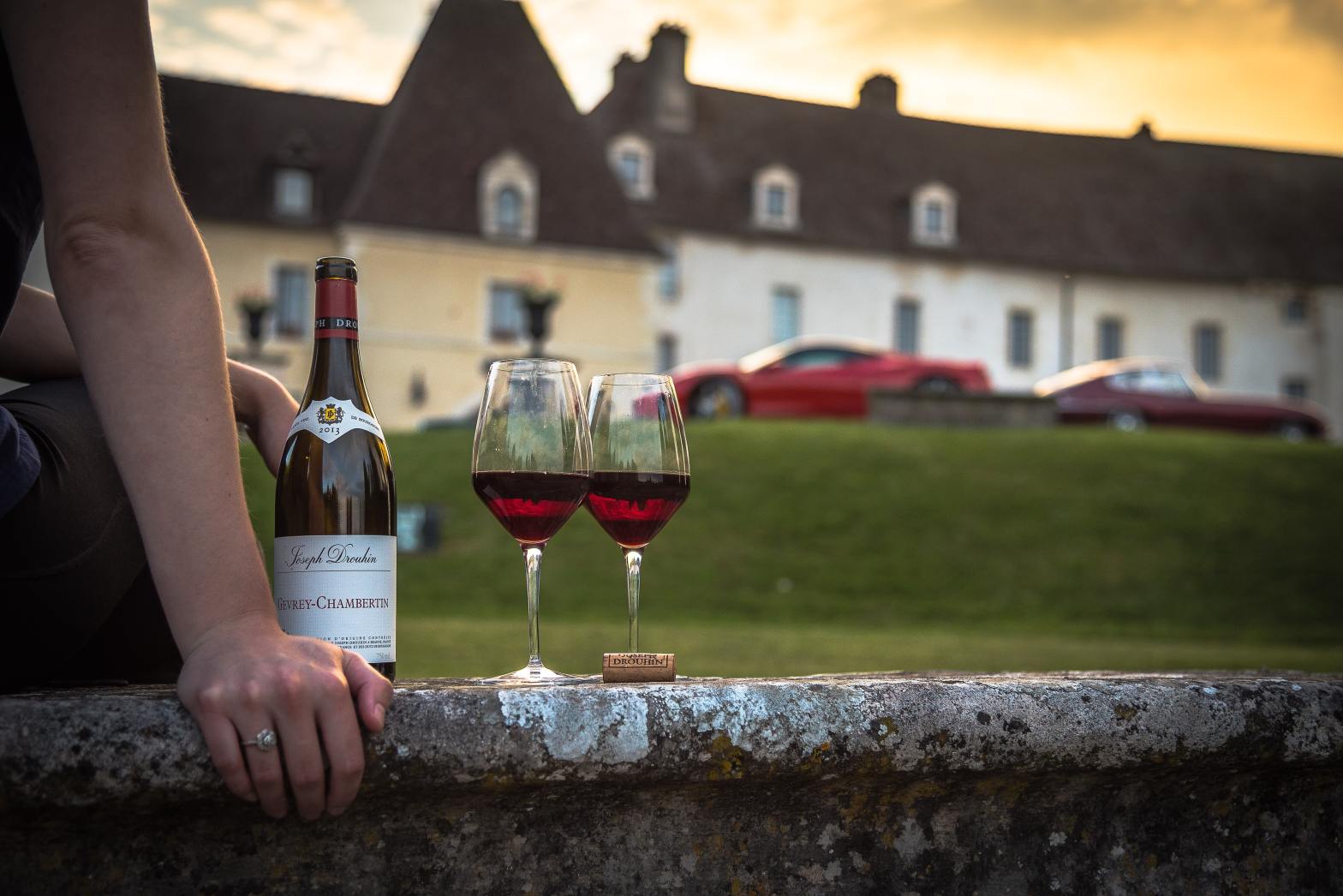
What is Pinot noir?
- Pinot noir is a red wine grape variety of the species Vitis vinifera.
- The name might have been derived from the French word for pine (pinot) as the grape variety has tightly clustered, pine cone-shaped bunches of fruit.
- Or it might have derived from a place name in France such as Pinos or Pignols from where cuttings were obtained. Pignols in the Auvergne, for example, have cultivated Pinot since the middle ages.
- Pinot noir is mostly a cool climate grape variety, and is chiefly associated with the Burgundy region of France.
- Pinot noir is used to make red wines around the world, as well as Champagne, sparkling white wines such as the Italian Franciacorta, and English sparkling wines.
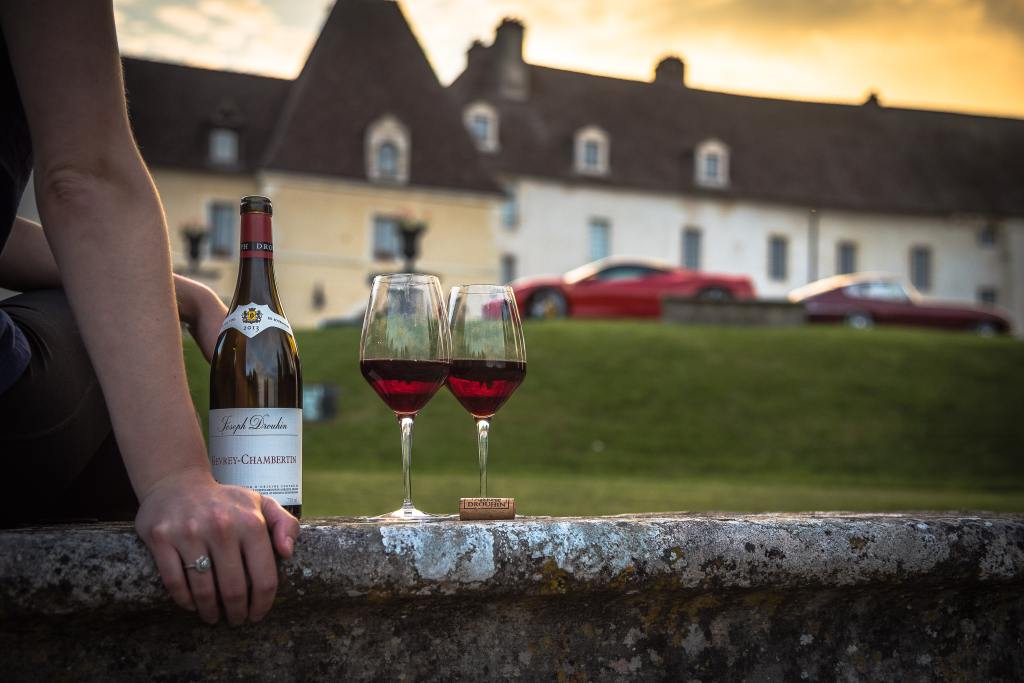
What are the other names for Pinot noir?
- Blauer Spätburgunder in Austria
- Burgundac Crni in the Balkans.
- Spätburgunder in Germany
- Pinot nero in Italy
- Clevner / Blauburgunder in Switzerland.
Is it easy to cultivate Pinot noir?
- Pinot noir is sensitive to wine and frost and its crop yield must be kept low for quality wines.
- It produces very different wines based on different terroirs.
- The vines are susceptible to variety of wine issues like powdery mildew, bunch rot, leaf roll, and fanleaf virus
- The skin of a Pinot noir Grape is thin, thus it imparts less color and tannin than other thick skin varietals like Cabernet Sauvignon and Zinfandel. It also makes it extremely susceptible to damaging temperature fluctuations, frost, disease due to its tight clusters!
- Pinot Noir does much better in cooler climates and better with less sunlight. It takes much longer for the Pinot Noir grapes to ripen fully and be ready for harvest.
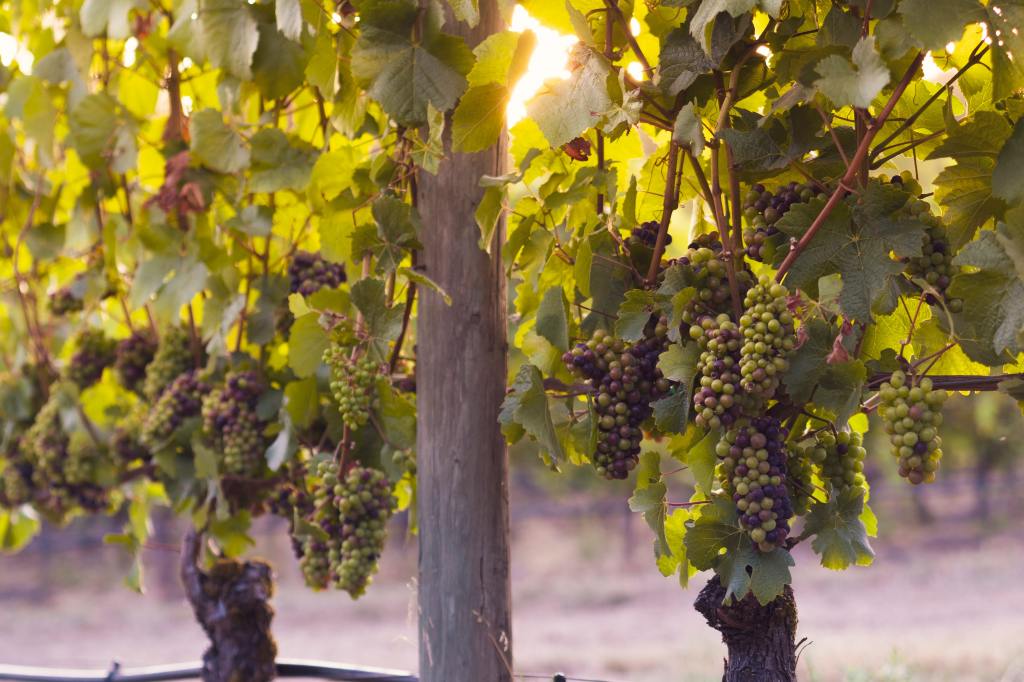
Jancis Robinson calls pinot a "minx of a vine"
Profile of Pinot noir?
- Young wines made from Pinot noir tend to have red fruit aromas of cherries, raspberries, and strawberries.
- The medium-bodied and low-tannin wines that can often go through phases of uneven and unpredictable aging.
- The wine’s color when young is often similar to that of garnet, frequently being much lighter than that of other red wines.
- Pinot noir has a lower skin anthocyanin
- Callistephin, an orange colored anthocyanidin, is also found in the berry skins of Pinot noir grapes.
“God made Cabernet sauvignon whereas the devil made Pinot noir.”
André Tchelistcheff
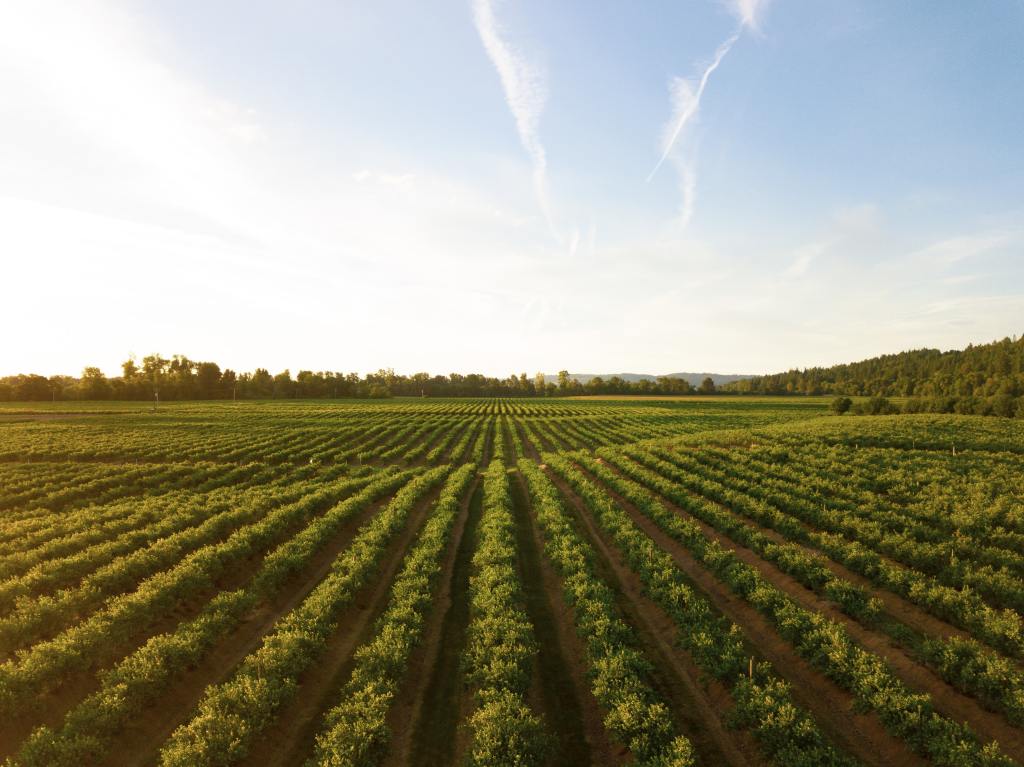
What wines are made using Pinot noir?
- Pinot noir makes good quality single varietal red wines.
- Pinot noir is used in the production of champagne (usually blended with chardonnay and pinot meunier) and is planted in most of the world’s wine-growing regions for use in both still and sparkling wines.
- In addition to sparkling and still red wine, Pinot noir is also sometimes used for rosé still wines, beaujolais nouveau-styled wines, and even vin gris white wines.
- Pinot noir grown for dry table wines is generally low-yielding and the ones grown for sparkling wines are high-yielding.
Where is it grown?
- Pinot noir’s home is the Burgundy region in France.
- It is also planted in Argentina, Australia, Austria, Bulgaria, Canada, Chile, Northern parts of Croatia, Czech Republic, the Republic of Georgia, Germany, Greece, Israel, Italy, Hungary, Kosovo, the Republic of Macedonia, Moldova, New Zealand, Romania, Serbia, Slovakia, Slovenia, South Africa, Switzerland, Ukraine, United States and Uruguay.
The greatest Pinot noir is the greatest red burgundy from the Grands Crus of the Côte d'Or, the heartland of Burgundy.
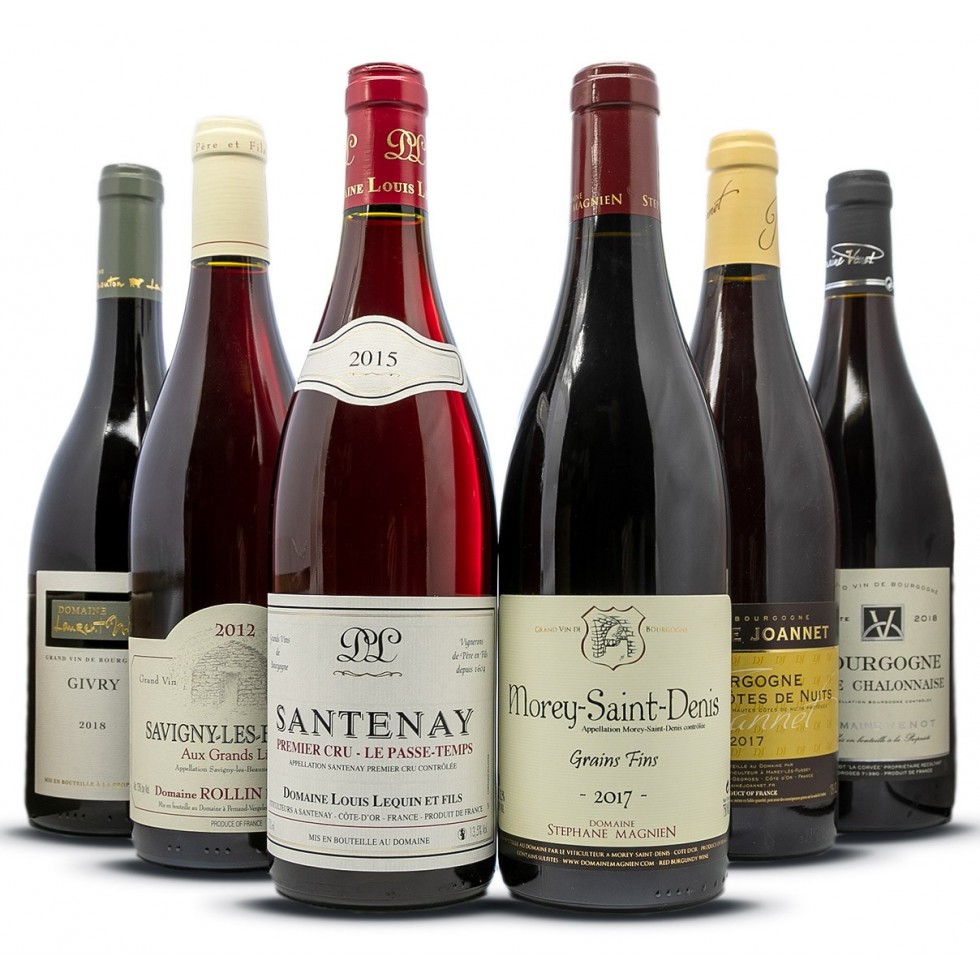
Regions that have gained a reputation for red Pinot noir wines include
- the Burgundy and Champagne regions of France
- the Ahr, Pfalz, Baden and Wurttemberg regions of Germany
- the Willamette Valley of Oregon
- the Carneros, Central Coast, Sonoma Coast, and Russian River AVAs of California
- the Elgin and Walker Bay wine regions of South Africa
- the Mornington Peninsula, Adelaide Hills, Great Southern, Tasmania, and Yarra Valley in Australia
- the Central Otago, Martinborough, and Marlborough wine regions of New Zealand.
Tasting Profile
Body: light to medium bodied
Acidity: medium to high
Tannin: low to medium
Alcohol: medium
Sweetness: typically dry
- Typically, Pinot noir is dry, light- to medium-bodied, with bright acidity, silky tannins.
- Characteristic aromas: cherry, raspberry, cranberry, strawberry, earth, violet, lilac, sandalwood, mushroom and forest floor.
- When aged in French oak, it shows notes of clove, vanilla and baking spice.
- In cool climate regions like Oregon, Marlborough, France and Germany, it produces light bodied and delicate wines with 12-13.5% abv (alcohol by volume)
- In warmer climate regions like California, and Australia, it produces full bodied wines which are more ripe with 13.5-15% abv (alcohol by volume)
“The most romantic of wines, with so voluptuous a perfume, so sweet an edge, and so powerful a punch that, like falling in love, they make the blood run hot and the soul wax embarrassingly poetic.”
Joel Fleischman of Vanity Fair
Master Sommelier Madeline Triffon calls it "sex in a glass".
How to serve Pinot noir?
- Light bodied delicate and fresh Pinot noir can be served at around 55°F.
- Medium bodied rich and oak-aged Pinot noir is better closer to 65°F.
- A Burgundy or an Aroma Collector Glass is the best to enjoy a Pinot noir wine.
- Decanting for around 30 minutes will help the wine to show its full potential.
Family of Pinot noir?
- Pinot Noir itself is considered a progeny of a blend of Traminer and Meunier, although many researchers believe that Meunier is just a clone of Pinot Noir.
- Pinot Noir is highly prone to mutation and has produced many successful clones such as Pinot Gris, Pinot Blanc, and Pinot Meunier. There are over 40 clones classified under the Pinot name.
- Pinot is also an ancestor of a huge number of grape varieties known today. Together with Gouais Blanc it is a parent of grape varieties including Gamay Noir, Auxerrois, Melon, Aligoté and Chardonnay.
- Pinot Noir was crossed with Cinsaut in South Africa in 1925, giving rise to ‘Pinotage’ which is now widely grown in South Africa as well as the United States and New Zealand.
 The Wine Geek